
History of
Long Beach State Rowing
Beach Crew was born in 1957, when visionary students Bill Lockyer and Dr. Ludwig Spolyar set out to bring the centuries-old tradition of rowing to a young and growing Long Beach State. With little more than determination and borrowed equipment, they built a program on teamwork, resilience, and the belief that students could achieve something bigger together. Those early days laid the foundation for what would become one of the university’s proudest and longest-running athletic traditions, still thriving more than six decades later.
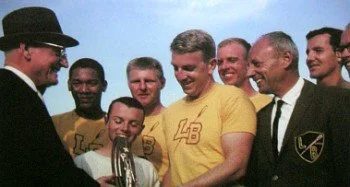
Marine Stadium
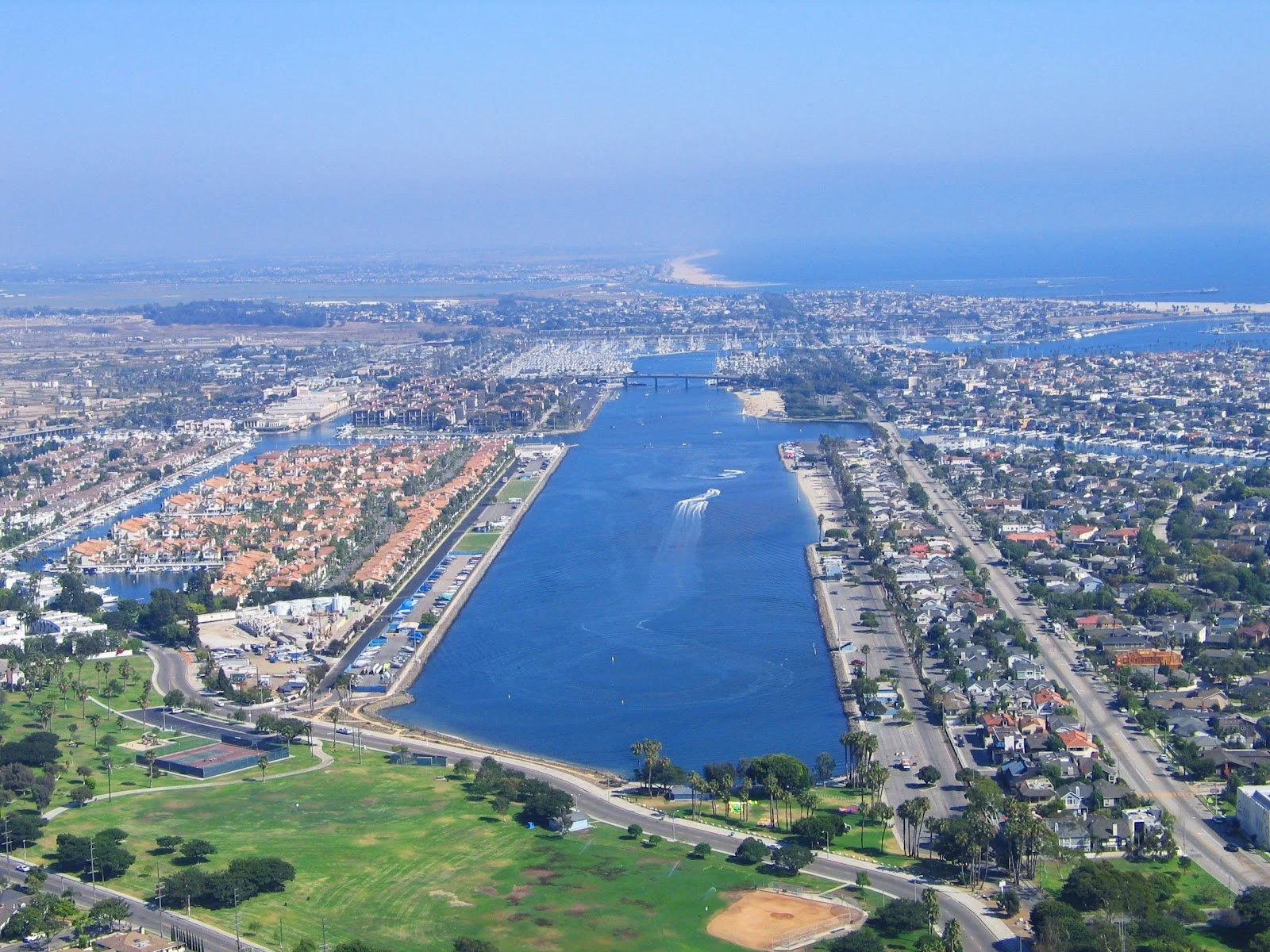
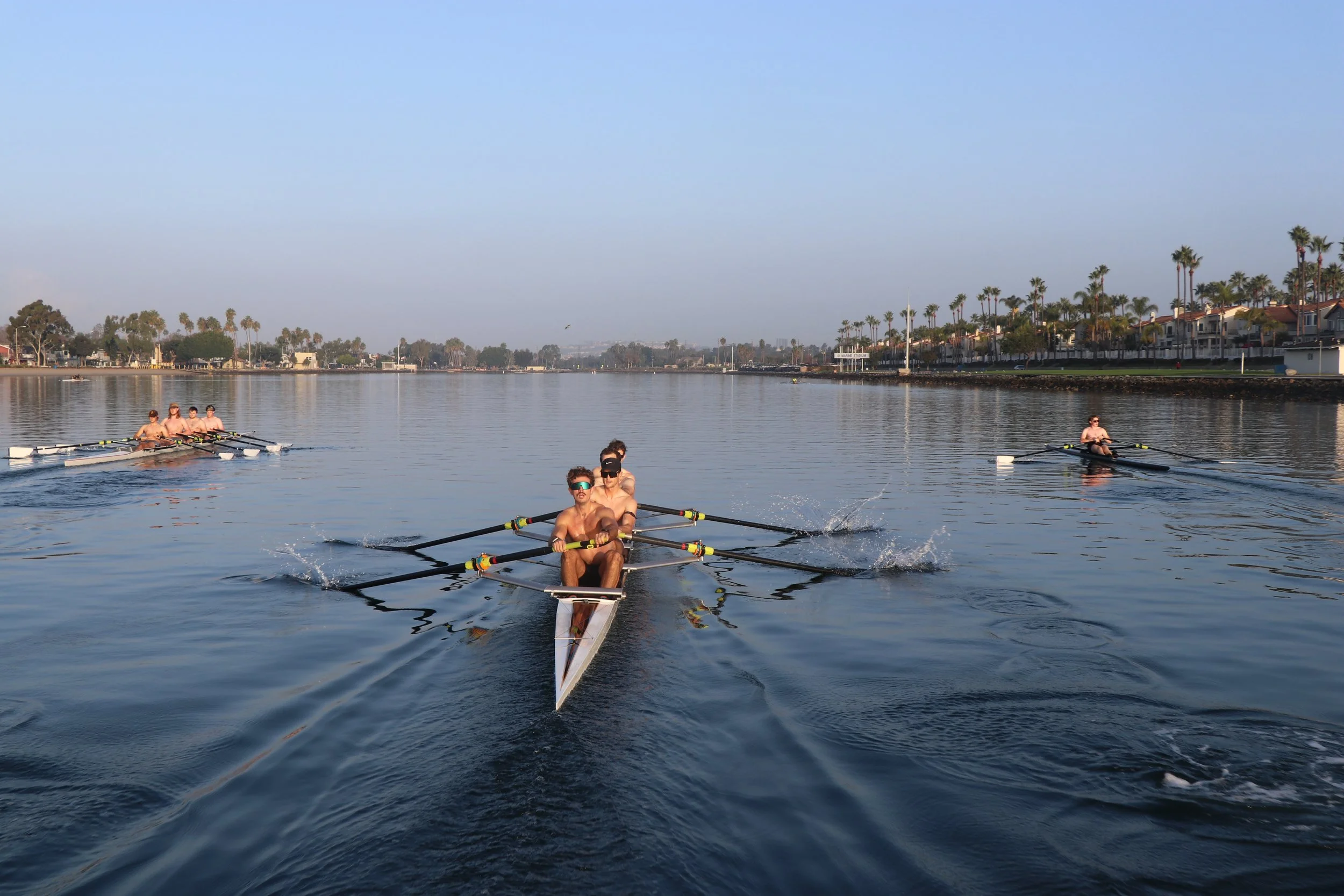
Long Beach’s Marine Stadium is more than just where we row—it is hallowed water in the history of the sport. Built for the 1932 Olympic Games, it was the first man-made rowing course in the United States and quickly became a stage for greatness, hosting national championships, Olympic trials, and generations of athletes chasing excellence. To row here is to step directly into that legacy, sharing the same course as legends past and future. With the 2028 Olympics set to return, Marine Stadium continues to stand as a symbol of tradition, prestige, and the enduring spirit of competition.
Champions of Beach Crew

Pete Archer stands as one of the foundational pillars of Long Beach rowing culture. A World War II Navy veteran, Long Beach lifeguard, and master craftsman, Archer served for decades as the boatman and caretaker of the Long Beach boathouse. He was known for his meticulous shell repairs, his deep commitment to the athletes who rowed out of Long Beach, and his role in building the community’s early infrastructure.
Archer supported generations of competitive rowers and was instrumental in the development of both the Long Beach Rowing Association and the environment that ultimately gave rise to Beach Crew at Long Beach State. His steady presence and dedication helped shape the identity of rowing in Southern California. In recognition of his lifelong service and influence, the Long Beach boathouse was named the Pete Archer Rowing Center, ensuring his legacy remains central to the city’s rowing tradition.
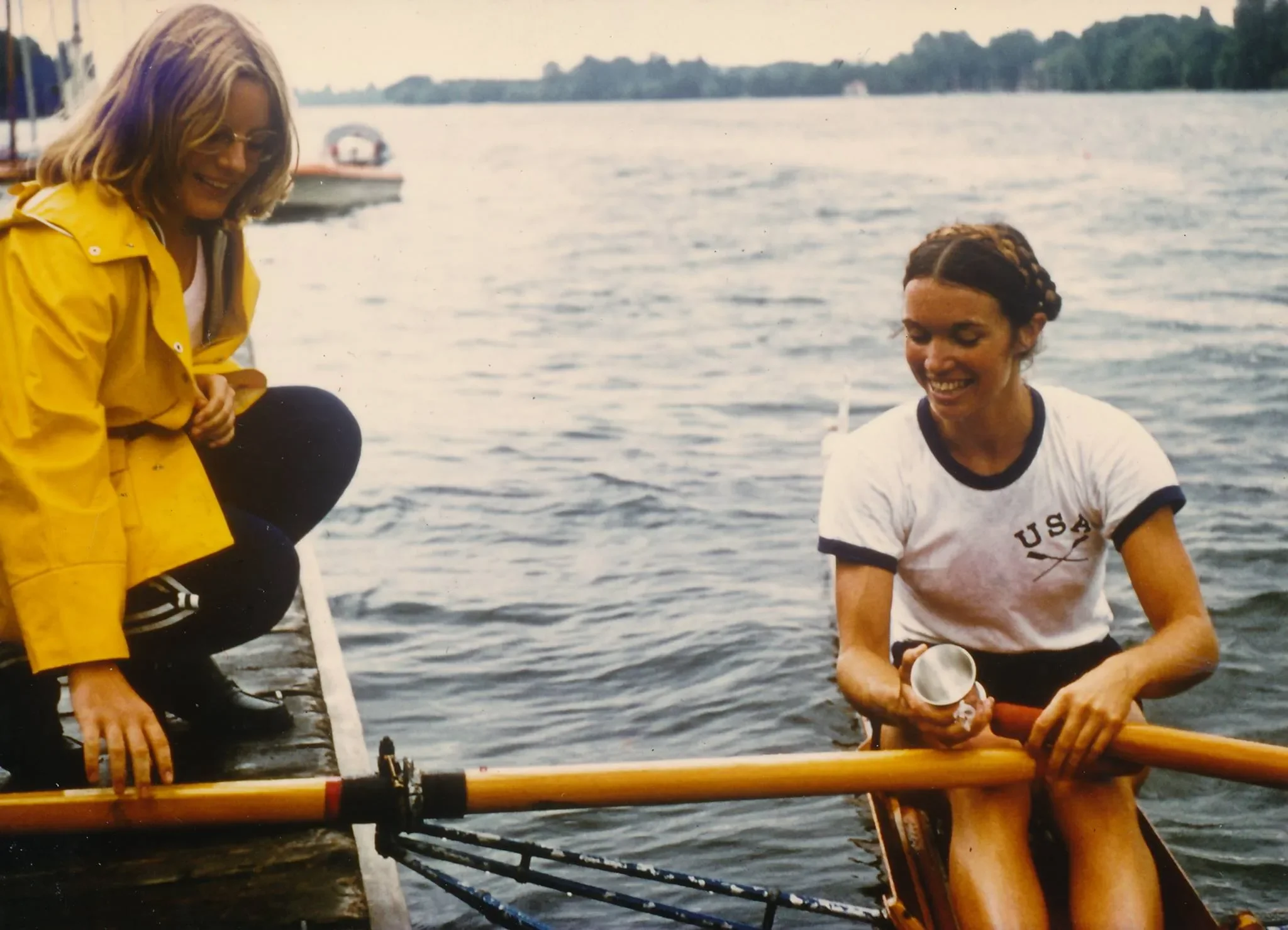
Joan Lind Van Blom is one of the most influential figures in American rowing history and the most accomplished athlete ever to emerge from Long Beach State. Beginning her rowing career with Beach Crew in 1971, she quickly became a dominant force in U.S. women’s sculling. At the 1976 Montreal Olympics, she won silver in the single sculls, becoming the first American woman to win an Olympic rowing medal. She later earned a second Olympic silver in the double sculls at the 1984 Los Angeles Games and was selected for the 1980 Olympic team, which did not compete due to the boycott.
Throughout her career, Lind Van Blom claimed numerous national titles, medaled at major international regattas, and helped establish the U.S. women’s sculling program as a global contender. Beyond competition, she was a passionate educator and coach within the Long Beach Unified School District and the local rowing community, inspiring thousands of athletes through her mentorship and example. She was inducted into the Long Beach State Hall of Fame, and her legacy is honored through memorial races, coaching awards, and a bronze statue overlooking the Long Beach rowing course—a lasting tribute to her groundbreaking impact on the sport.
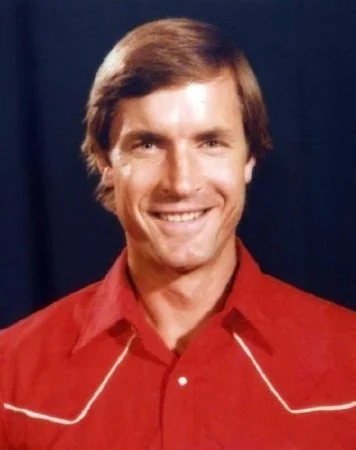
John Van Blom
John Van Blom, a CSULB graduate and four-time Olympian, is among the most accomplished American scullers of the twentieth century. Representing the United States at the 1968, 1972, and 1976 Olympics, and selected again in 1980, Van Blom built a career defined by international consistency, technical mastery, and versatility in small boats. He won the 1969 European Championship in the double sculls with Tom McKibbon, earned bronze at the 1970 World Championships, claimed multiple U.S. national titles, and won the 1970 Henley Royal Regatta—one of the sport’s most prestigious victories.
Van Blom later shifted to coaching, serving on the 1984 U.S. Olympic coaching staff and leading Long Beach State Beach Crew from 1986 to 1987. He was inducted into the Long Beach State Hall of Fame in 1982 and is widely regarded as one of the most influential and underrated American rowers, with a résumé that ranks among the best in the sport’s history.

Tom McKibbon
Tom McKibbon, a standout member of Beach Crew from 1961 to 1964, built a rowing career that spanned more than three decades and included participation in or coaching at six Olympic Games. McKibbon competed for the United States at the 1968 Mexico City and 1972 Munich Olympics, and later served as a coach for the 1976, 1980, 1984, and 1988 Olympic teams. He also contributed to 10 World Championship crews, helping guide U.S. sculling development during an era of rapid international progress.
As an athlete, McKibbon captured the 1968 U.S. National Singles Championship and the 1969 National Doubles title with John Van Blom. The duo went on to win the 1969 European Championship, medal at the 1970 World Championships, and triumph at the 1970 Henley Royal Regatta, establishing themselves as one of the strongest American sculling pairs of their generation. McKibbon was inducted into the Long Beach State Hall of Fame in 1991, recognizing his decades of competitive success, coaching leadership, and contributions to U.S. rowing.
ACRA National Champions
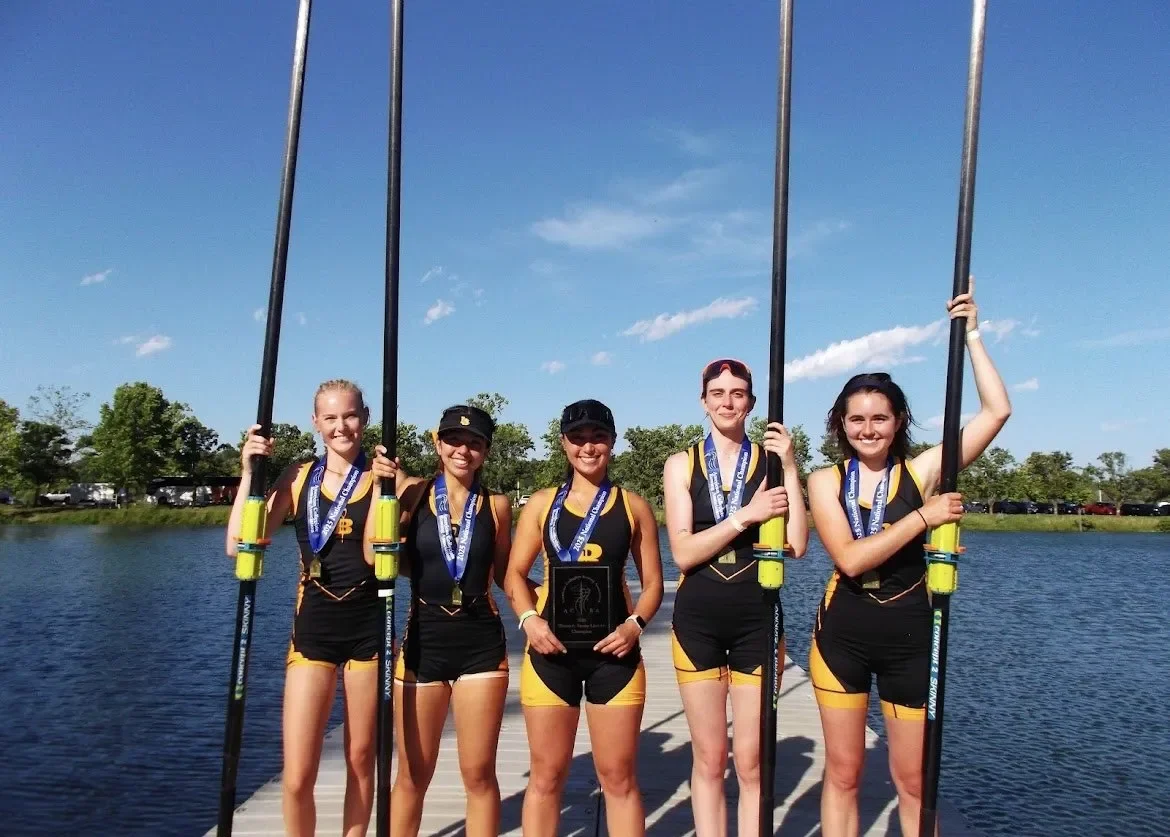
Beach Crew has long challenged powerhouse programs and produced standout crews, culminating in the women’s varsity four (4+) winning a national title in 2025, a landmark moment for the program.
Builders of Tradition
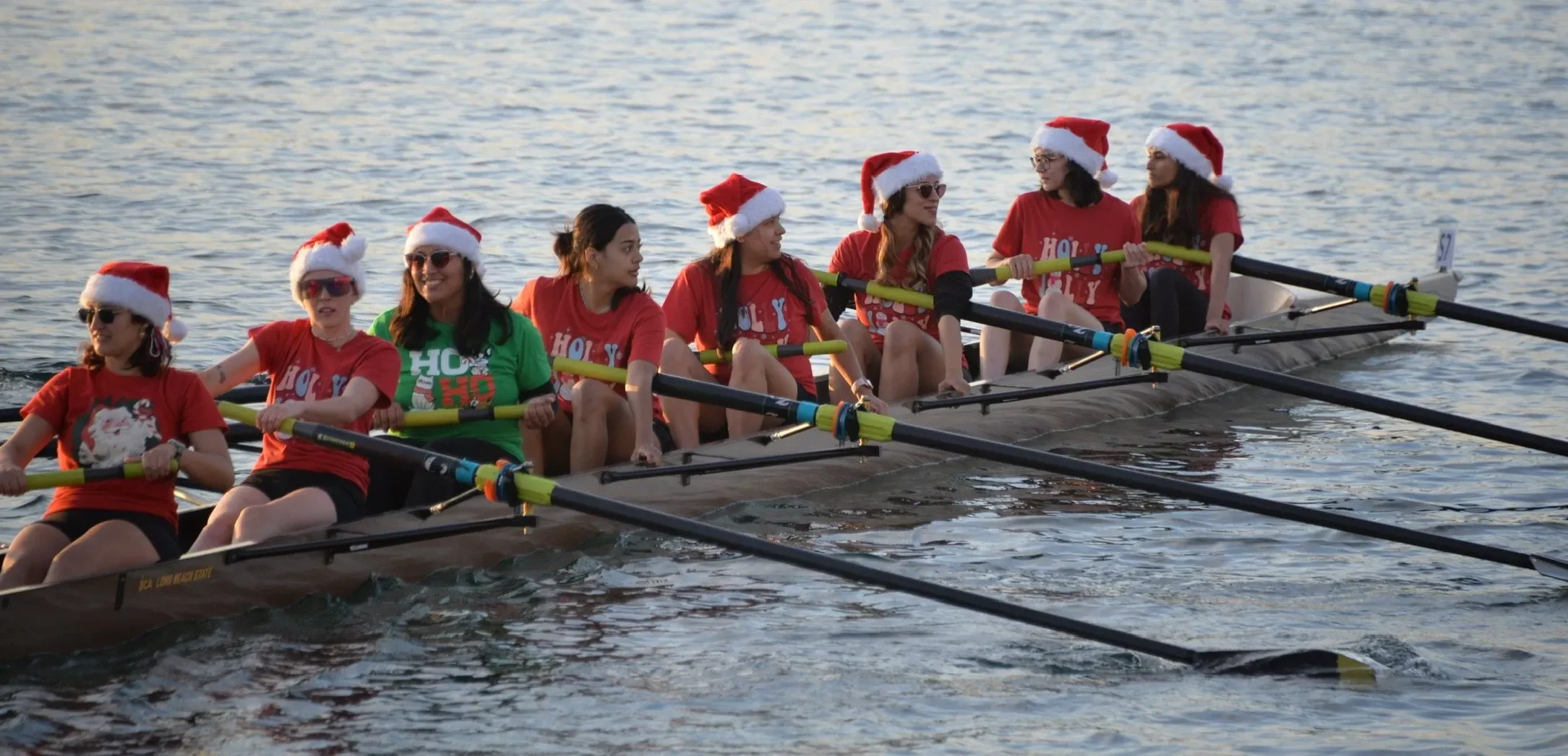
Founding coach Bill Lockyer not only shaped the team’s first decade but also created the Christmas Regatta in 1967, a race still held today. His successor, Ed Graham, guided the crew through years of growth and transition, strengthening its competitive spirit.
A Living Legacy
From Olympians to national champions, from students learning the sport to alumni carrying its lessons into life, Beach Crew’s legacy is measured in both achievement and character. Every boat launched from Marine Stadium continues a tradition more than 68 years in the making.